

Wedding traditions are the touches that elevate a celebration into something timeless. They are the customs we grew up dreaming about. Walking down the aisle, cutting the cake, and dancing the night away. These familiar moments still hold a special place in many couples’ hearts, and for good reason. They help to shape the magic of a wedding day.
Many of the traditions we associate with British weddings are rooted in centuries old English customs. But as the United Kingdom becomes increasingly diverse, we are seeing couples create truly personal celebrations. They blend modern ideas with meaningful rituals from their own cultures and backgrounds.
Some traditions have naturally faded with time. Others continue to hold strong as symbols of what makes a wedding feel like a wedding. Whether you choose to embrace them, reinterpret them or skip them altogether, here are a few quintessential British wedding traditions you might want to consider.

THE FINAL NIGHT BEFORE ‘I DO’
One of the most commonly upheld traditions among our couples is not spending the night together before the wedding. There is something incredibly special about waking up apart, getting ready with your closest people, and saving that emotional first moment for the ceremony. For many, that moment of catching sight of one another at opposite ends of the aisle is something they have imagined for years.
In America, it is more typical to share a first look before the ceremony. Portraits and wedding party photographs are often taken earlier in the day, while hair and makeup are still fresh. This also allows for more time during the drinks reception. However, timelines tend to unfold differently in the United Kingdom.
In the United Kingdom, ceremonies usually begin earlier in the afternoon. This is partly to make the most of the day and partly because the British weather does not always lend itself to outdoor ceremonies or late evening dinners in the open air, as often enjoyed by couples in America or Europe.
For this reason, many of our couples choose to honour this particular tradition. Spending the night apart builds anticipation, adds a sense of occasion and makes that first meeting on the day feel even more meaningful.
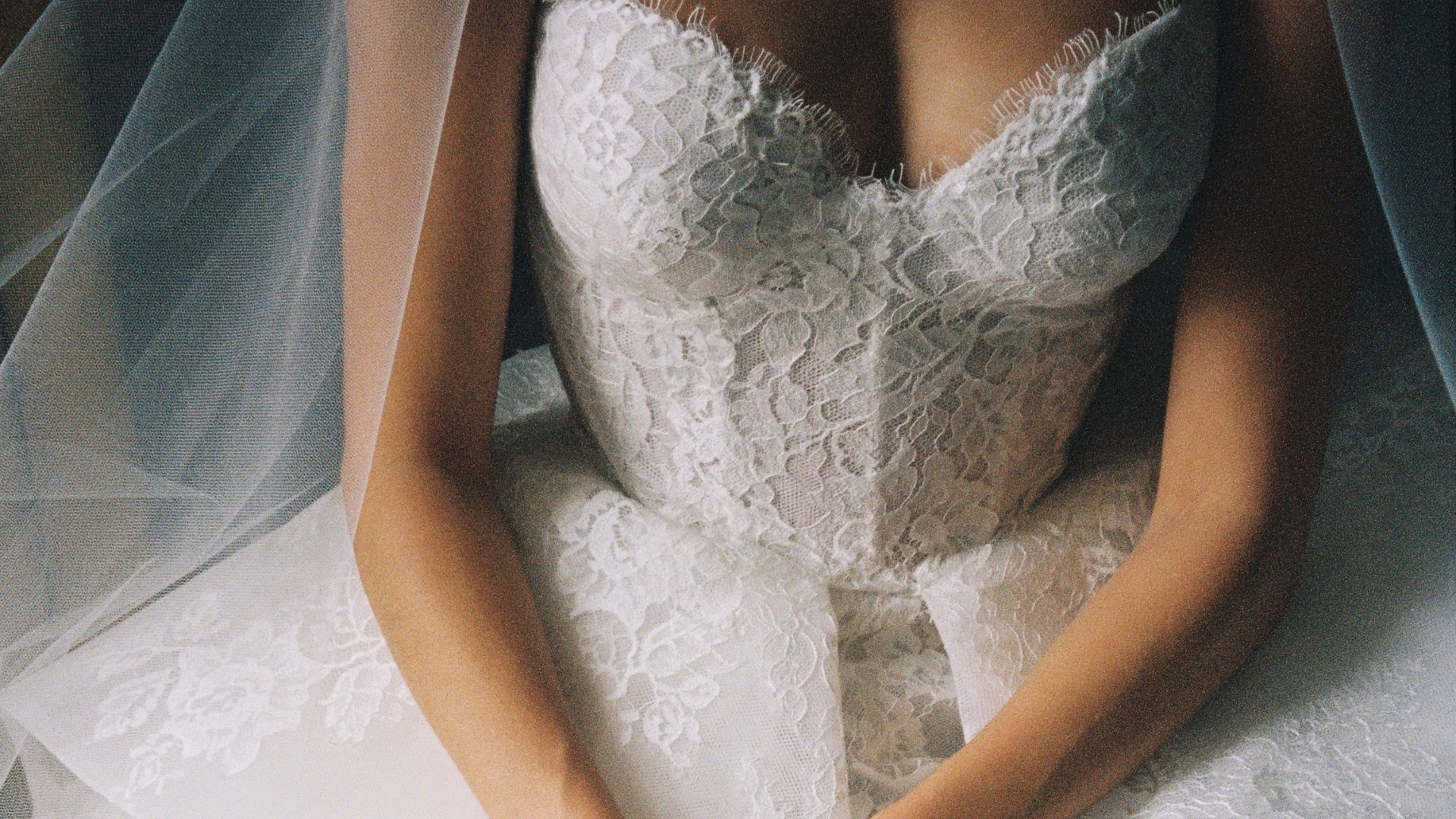
WHITE WEDDING DRESS
The tradition of wearing a white wedding dress in the United Kingdom can be traced back to Queen Victoria, who famously chose white for her marriage to Prince Albert in 1840. While she was not the first bride to wear white, her choice was unusual at the time and quickly became a fashionable statement among noble women, symbolising wealth, purity and innocence.
Although not one of Britain’s oldest wedding traditions, the white wedding dress has certainly been one of the most enduring. Today, it is seen less as a symbol of status or virtue and more as a romantic nod to tradition. Some brides still choose classic white or ivory, while others prefer soft pastels, bold colours or embroidered gowns that reflect their personal style.
As with all traditions, it is a choice, not a rule. And whatever you wear, it should feel entirely and unapologetically you.
“SOMETHING OLD, SOMETHING NEW, SOMETHING BORROWED, SOMETHING BLUE”
The saying “something old, something new, something borrowed, something blue” is actually an old English rhyme from the nineteenth century, and traditionally ends with “a sixpence in your shoe.” While that final line has mostly faded from use, the rest of the rhyme continues to hold a place in many modern weddings.
This tradition is not as commonly followed as others, but we still see many brides weaving in subtle nods to it, often in sentimental or symbolic ways. A piece of heirloom jewellery from a mother or grandmother may represent something old. A new dress or a pair of shoes is usually an easy something new. A borrowed veil or accessory from a friend often carries extra meaning, while something blue might be a ribbon sewn into the lining of the dress, a small and thoughtful touch from the designer to bring good luck on the day.
It is a sweet tradition, not essential but meaningful for those who choose to include it, and a lovely way to bring a little history into a modern celebration.

WALKING DOWN THE AISLE AND GIVING THE BRIDE AWAY
For the ceremony itself, certain legal elements must be included. Couples are required to exchange specific vows, known as declarations and contracting words, and to sign the marriage register in the presence of two witnesses and the registrar or officiant.
However, the tradition of the bride being walked down the aisle by her father, and formally given away, is entirely symbolic. It stems from a time when weddings were seen as the union of two families, and the father’s role was to show his acceptance of the match.
Today, with more varied family dynamics and modern values, this part of the ceremony is often adapted or reimagined. Some brides still choose to honour the tradition as a gesture of love and respect for their father or another family member. Others may walk down the aisle with both parents, with a sibling, a close friend, or even alone.
It is still a popular moment for many couples, but it is not required, and there is no right or wrong way to approach it. Like every element of your day, it should feel entirely personal to you.
CARRYING A BOUQUET
The bridal bouquet is one of the most iconic elements of a wedding, but like many traditions, its roots are deeper than you might expect. Historically, brides carried bunches of herbs, spices or strong scented florals to ward off bad luck or mask unpleasant odours (thankfully, no longer needed!).
Today, bouquets are a creative expression of personal style and seasonal beauty. From wild romantic arrangements to sculptural fashion led designs, they bring a softness and a sense of ceremony to the moment you walk down the aisle.
Some couples choose flowers with symbolic meaning, others select blooms that remind them of someone special. Whatever direction you take, your bouquet will be one of the most photographed details of the day and one of the most memorable to carry.

WEDDING RINGS
The exchange of wedding rings, or wedding bands as they are often called, is a long standing tradition that symbolises a couple’s love, unity and lifelong commitment. During the ceremony, each partner places a ring on the other’s finger as a physical reminder of the vows they have just made.
The unbroken circle of a wedding ring represents eternity, an enduring promise of love, loyalty and respect. This tradition is believed to date back over 5,000 years to Ancient Egypt, where rings were exchanged as tokens of devotion, often referred to as “rings of love”.
Today, wedding bands are traditionally worn on the fourth finger of the left hand, a custom thought to originate from the Ancient Romans, who believed that a vein in that finger led directly to the heart.
While styles and materials have evolved over time, the sentiment behind the exchange remains unchanged: a lasting, visible symbol of your commitment to one another.

CONFETTI
Throwing confetti after the ceremony is a joyful tradition that marks the couple’s first moments as newlyweds, a symbolic shower of well wishes, happiness and fertility.
Traditionally, grains, rice or petals were used to represent prosperity and abundance. Over time, colourful paper confetti became popular, but many venues now ask couples to opt for biodegradable petals or dried flower mixes to keep things eco friendly (and beautiful).
While some couples choose to skip this tradition altogether, many still love the moment, not just for its meaning but also because it makes for the most wonderful photographs, with everyone smiling, cheering and celebrating together.
If you are planning a confetti toss, we will guide you through what is allowed at your venue, the best time to do it and how to make it feel as special and seamless as the rest of your day.
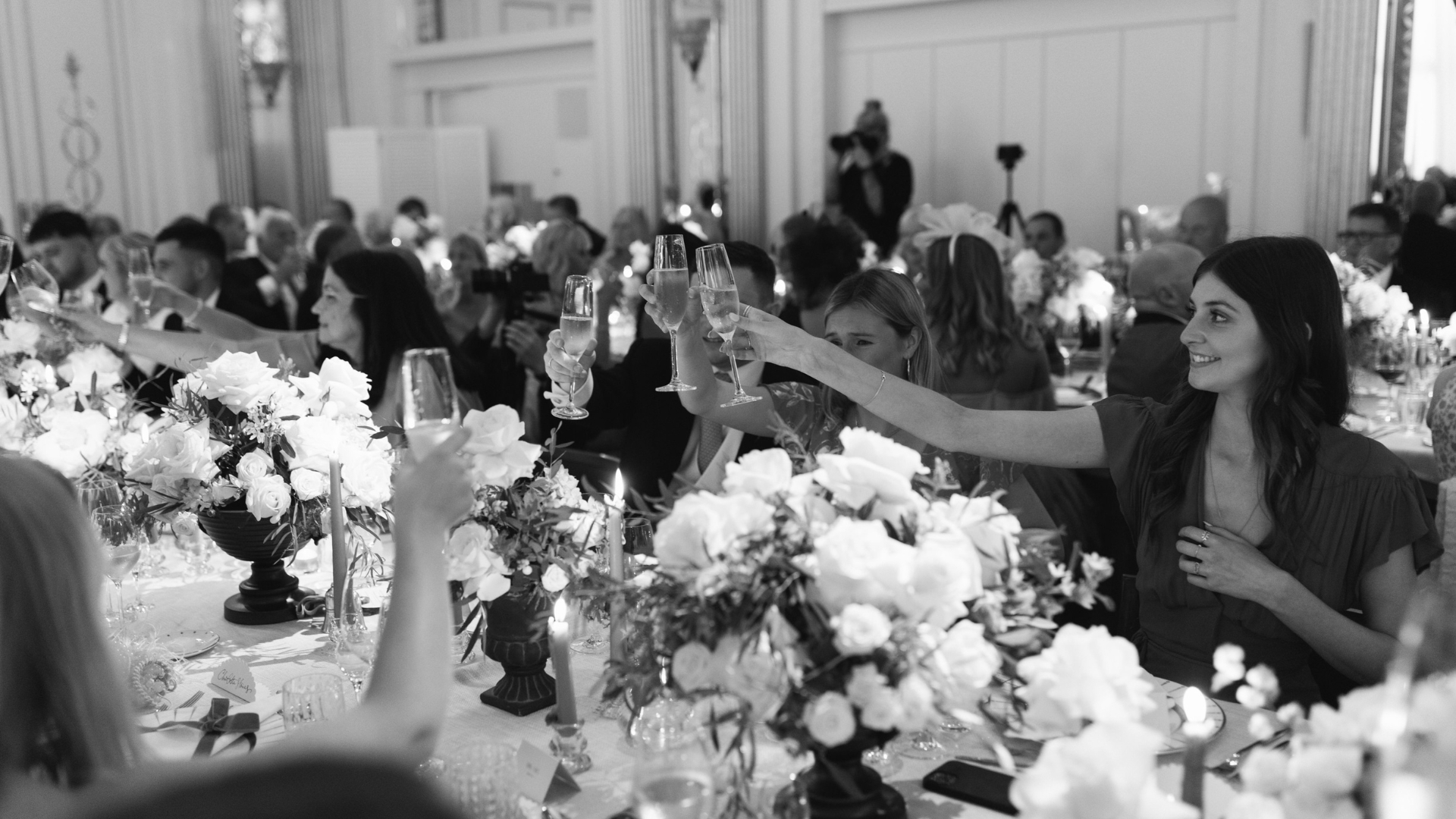
WEDDING SPEECHES
Traditionally, wedding speeches are delivered during the wedding breakfast and follow a familiar order: the father of the bride speaks first, followed by the groom and then the best man. These classic speeches often blend humour with heartfelt sentiments and are a treasured part of many celebrations.
But like many traditions, this has evolved. These days, speeches are just as likely to come from the bride, bridesmaids, siblings, stepparents, grandparents or anyone else who has played a special role in the couple’s story.
Whether funny, emotional or filled with fond memories, a speech is a beautiful way to share a few kind words or meaningful moments. It adds a personal touch to the day and reminds everyone what the celebration is truly about: love, connection and togetherness.
CUTTING THE WEDDING CAKE
The cutting of the wedding cake is a long standing and much loved tradition, a symbolic gesture that many of us instinctively associate with a wedding day. Traditionally, the cake cutting represents the couple’s first shared task, and in the past, the top tier was often saved for the christening of their first child, a custom that dates back to the 19th century and was thought to bring good luck.
These days, not all couples choose to include a cake, or they may opt for something more reflective of their own tastes. We have worked with many clients who simply do not enjoy cake, or worry it will not be eaten after a generous dinner.
That said, for those who love the symbolism or the photo moment, this tradition still holds a special place in many celebrations. Whether you go traditional with tiers of fruit cake or choose something entirely modern, it is a chance to pause, come together and share a sweet moment with your guests.
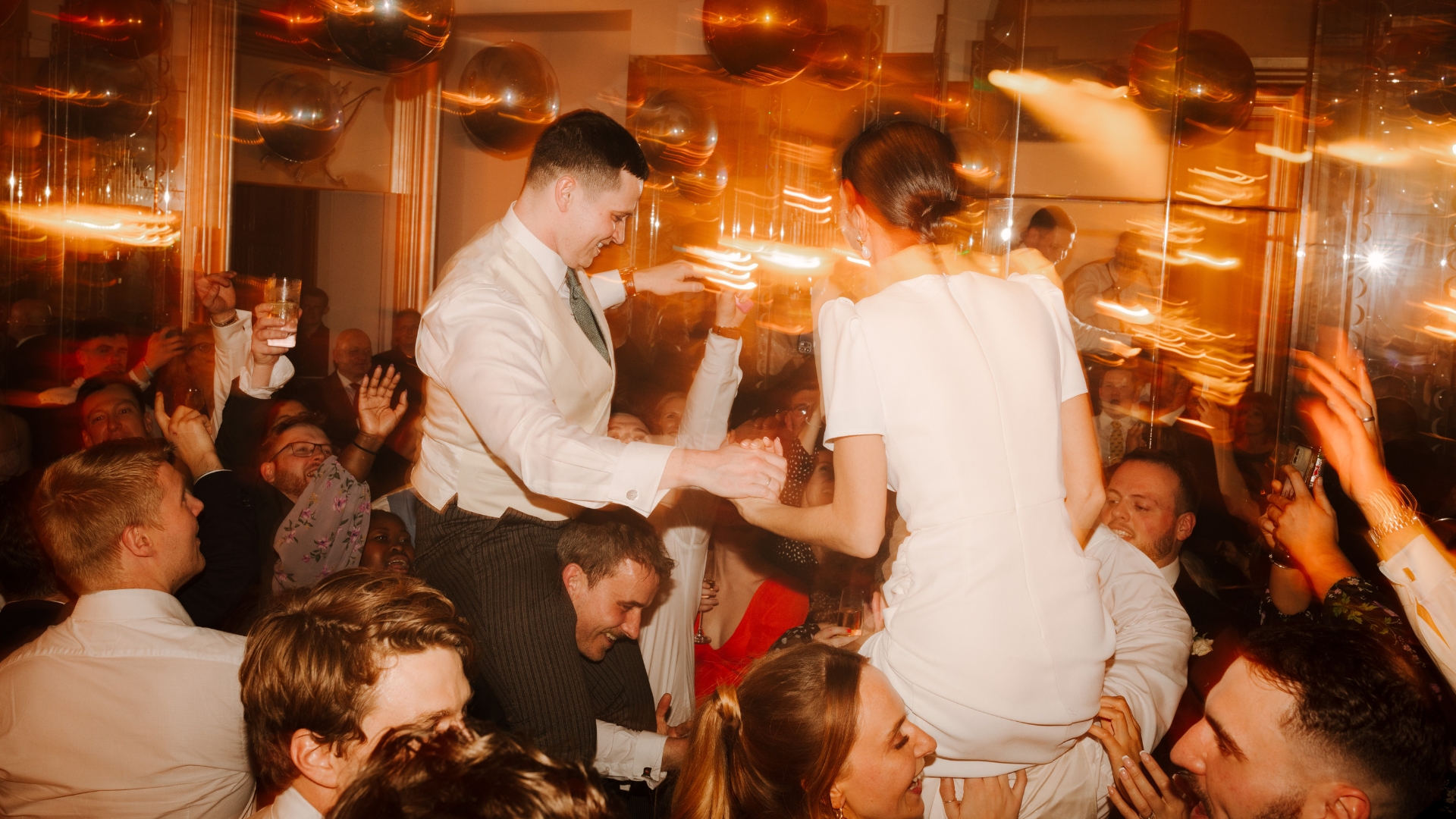
COUPLES FIRST DANCE
The first dance again is another historical tradition dating back to the 17th century, where it was the duty of the guest of honour to lead the first dance. Gone are the days of couples learning a choreographed dance to perform in front of their guests and the majority of our clients feel so nervous about this part that they give their wedding party strict instructions to join them on the dancefloor after the first verse of the song. We still think that this is a great part of the wedding day and is a fantastic moment to kick off the evening party, but it is very normal for couples to find dancing alone in front of their guests a little awkward and nerve wracking.


